Major benefits and risks of modernizing your business applications

Applications play a crucial role in the way we work and interact. They help businesses expand the functionality of the product, improve productivity, optimize costs, and so much more. However, achieving results with obsolete tools, which are not adaptable to the changing business environment, isn’t possible. This is where application modernization comes in.  

It would be naive to think that the way from a legacy application to a modern variant is covered with rose petals. Nothing of the kind! In fact, it’s quite thorny. But forewarned is forearmed. That’s why before deciding to opt for something new, it is vital to evaluate the risks and challenges that may crop up in the process. 

Challenges 

Cost overrun 

There are a bunch of reasons why not everyone rushes into modernization. But the main one is its cost. Deciding to modernize your application can be a financial challenge, and delving into it without an adequate evaluation of the possible expenses can cause issues in the future. For this reason, it’s crucial to understand the transformation processes that you’d possibly go through, make a thorough assessment of the workload, and anticipate possible additional expenses.

Outsourcing components of the project can also reduce the costs and let your internal team focus on the most important code. So, not to get stuck with a half-completed project, make sure that you collaborate with qualified partners who have enough successful cases under their belts.

Tackling the technical debt

Technical debt

Technical debt is a metaphor that refers to the consequences of poorly written code. The most virulent kind of technical debt is code that is difficult to change. 

Many teams know about their tech debt and ‘spaghetti’ code, but they are reluctant to do anything to fix it. As time passes, the situation only deteriorates: the debt increases, while development slows down. It gets even worse when team members leave, taking their knowledge with them. That might seem unfair, but it’s not those who walk off into the sunset that pay the interest on tech debt. It’s those who stay. The idea of dealing with technical debt often becomes a dealbreaker, and many prefer to choose the ever-tempting ‘out of sight, out of mind’ approach. 

Unfortunately, the longer you wait before repaying the debt, the more it will eventually cost. And that’s not to mention inefficiencies in running the app and frequent bugs.

So, whether you like it or not, managing technical debt needs to be done in any case. And, if carefully planned, it can be fairly trouble-free. You should involve the stakeholders in this process to create a shared understanding of a debt elimination plan and outline the next steps of the project.

The adoption of cloud computing is a good opportunity to address technical debt issues. Cloud providers allow companies to shuffle off the burden of maintaining and upgrading the underlying infrastructure of data centers. This means that your in-house team can focus on developing new solutions rather than dealing with bugs.

Lack of knowledge and technical experts

Many legacy applications are really old, which means that employees who have built them either no longer work in the company or are about to retire. Thus, maintenance of these apps becomes a problem, but it still comes in second to their enhancement. The current teams are usually reluctant to ‘touch’ the code because they are unsure about the side effects of any changes. 

Besides, the shortage of modernization experts is real. This position requires a challenging set of skills, from conducting legacy asset analysis, code restructuring, and refactoring to contributing to designing, developing, and potentially leading other specialists. 

There is a variety of needs to evaluate when selecting vendors. These are must-have requirements your vendor needs to meet to ensure the seamless transition from legacy to modernization:

  • keeping their finger on the pulse of the latest technologies;
  • understanding the desired business outcomes, and aligning the application environment to those. Not the other way around;
  • having expertise in the solutions your company depends on, such as ERP, CRM, etc., so that you know your critical systems will be in good hands.

Impact on business processes 

While working with legacy code, the necessity for constant bug fixes and enhancements is almost inevitable. Add to this users’ initially reduced productivity, caused by significant changes in the UX of the application, and you’ll understand the anxiety businesses usually feel in the face of modernization.

A gradual approach to modernization might be a problem-solver. It includes using a code freeze to reduce risks and avoid disruptions to a stable system. Also, step-by-step modernization allows business users to take their time to get to know the new application better.

Quality assurance 

Stakeholders get cold feet at the thought of the modernized app not running well or not being functionally equivalent to its old version. And, to be honest, their fears are not completely unreasonable. Dealing with IT products naturally implies a high level of risk. There’s a linear relationship between the project’s technical complexity and the risks it entails. Essentially, the more difficult the modernization process is, the more risks can show up.

Experienced vendors can highlight the most likely issues to avoid adverse consequences. It’s also important to make sure that all possible test scenarios are well-defined and planned in advance of the testing phase. 

Another guarantee of success is business users’ involvement in the modernization process right from the discovery phase, which allows the contractor to be on the same page with the customer and deliver better results.

Personnel stuck in old technologies

The staff might be reluctant to trade the systems they’ve been using for ages for new technologies. Accepting new things means expanding the comfort zone. And it seems quite difficult for most of us, even if the changes are for the better.

Curiously enough, it isn’t always the employees that show resistance. Sometimes, decision-makers—the main drivers of a company—aren’t excited about upgrading and migrating to newer technologies either. They are afraid that modernization will undermine conventional work processes. One of the most effective ways to change such a myopic approach is to emphasize the benefits of modernizing legacy applications.

Benefits

Cost reduction

Although modernization is not a low-cost process, its price is definitely justifiable. By moving your application to the cloud, you can significantly reduce the maintenance cost, as the data centers will no longer be sustained on-premises. You won’t have to worry about old code, bugs, system failures, and outages. It’ll be the cloud provider that will take responsibility for keeping your systems up and running.

Agility

Legacy applications might be hard or impossible to expand to increased capabilities. Thus, companies paint themselves into a corner with technologies that aren’t flexible enough to grow. Any update to the legacy system requires time and effort, neither of which come cheap. But, really, is there any use in having an app that cannot adapt to your business? Obviously, the answer is no.

On the contrary, modernized systems can be transformed incomparably faster than the old ones, allowing you to respond instantly to the market dynamics.

Enhanced security
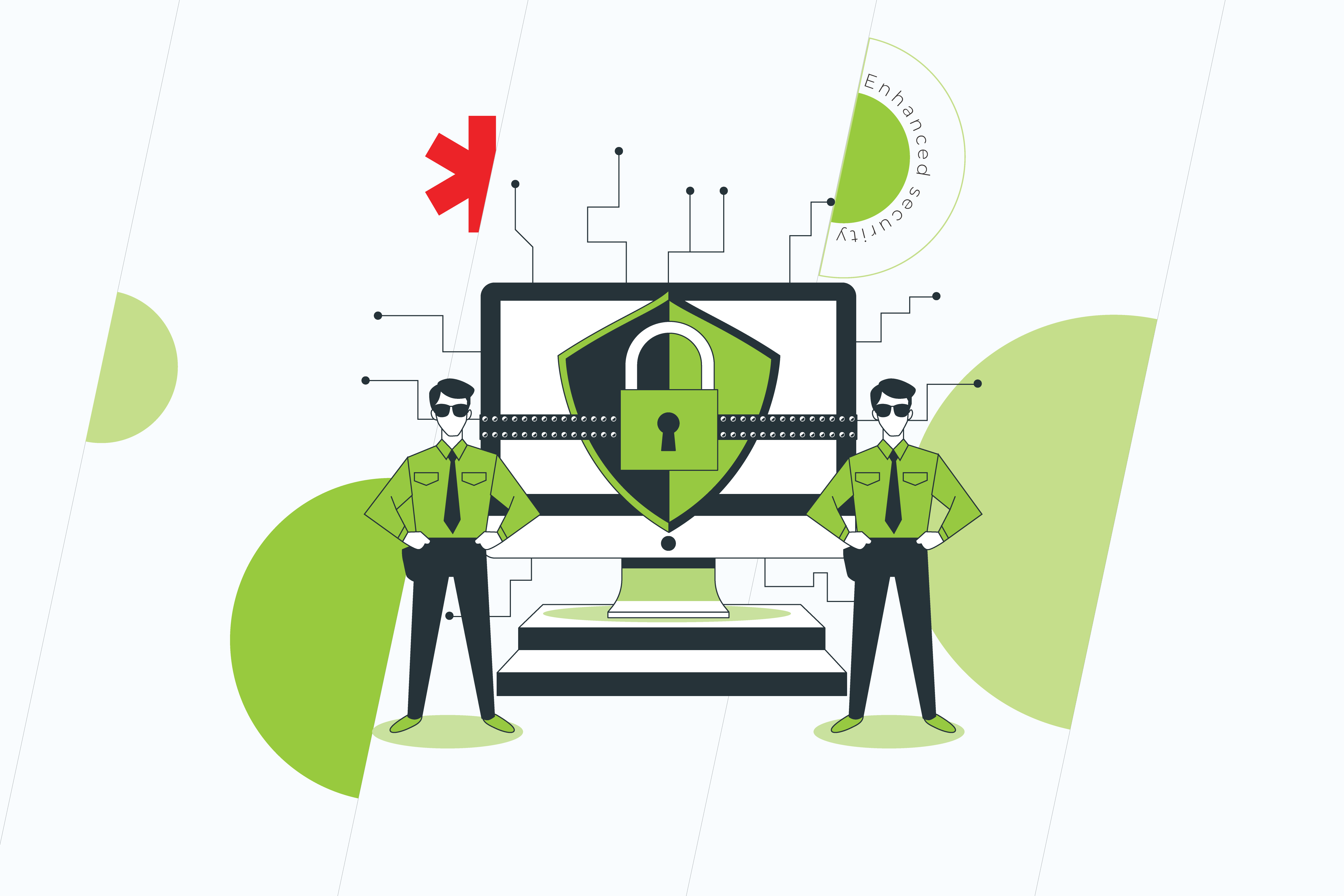
Security

The older your application is, the less reliable it becomes. Outdated systems are vulnerable to malware and breaches, and they are less resistant to cyber-attacks. Thus, modernization might help you to reduce the risks and cut the losses related to the faults of the system.

Facilitation of remote work 

The COVID-19 pandemic has forced an abrupt shift to working from home. Just like that, in an instant, remote work has become our new normal. However, not all businesses were ready to set up effective collaboration across teams under altered conditions, as it’s impossible without up-to-date apps and cloud computing.

Today digital transformation is not an option you might either go after or deny. It’s more likely the only chance to keep the lights on when the ‘legacy’ world is falling apart. By modernizing legacy applications, you do yourself a huge favor and ensure that your business can keep going no matter where your employees work from.
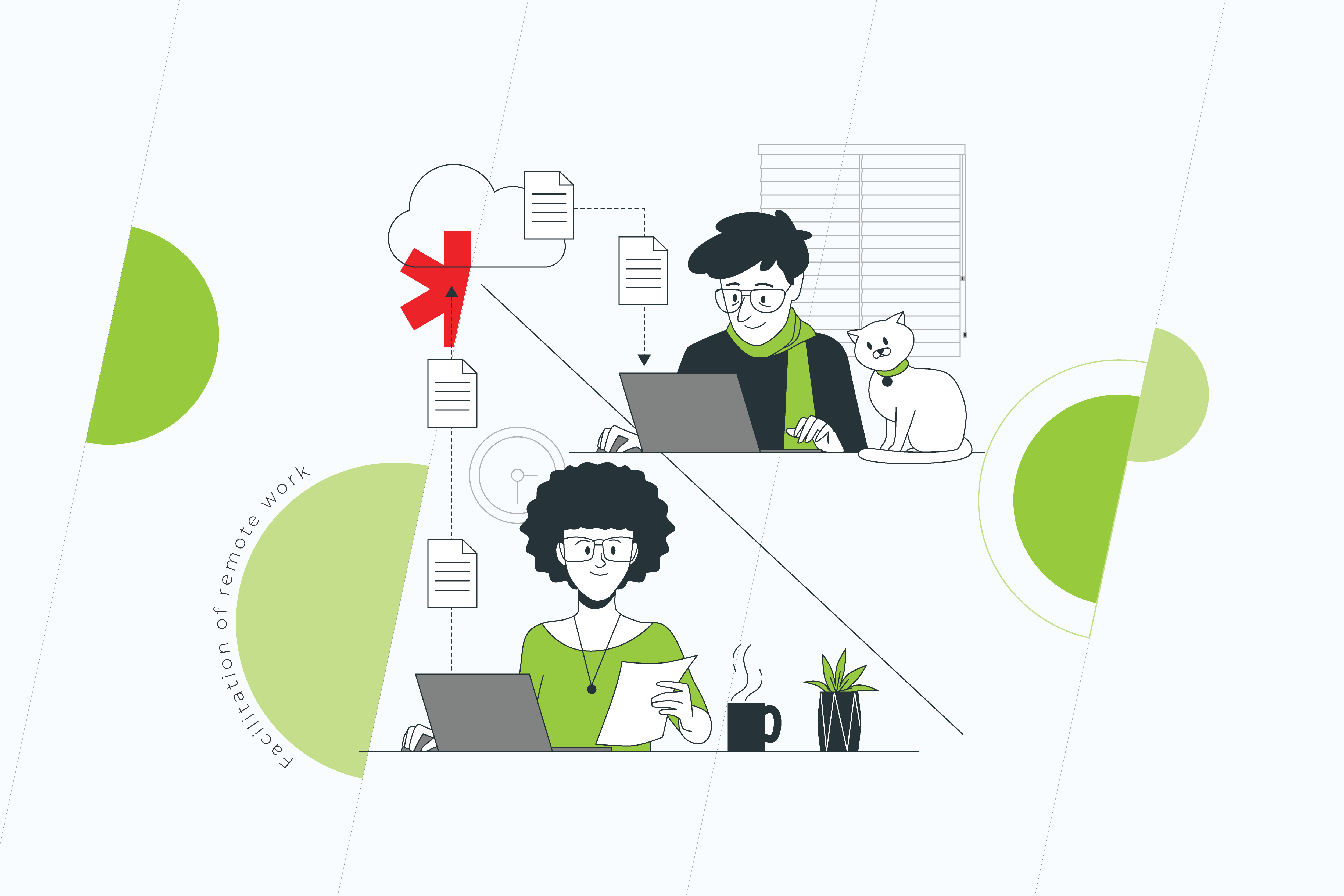
Remote work

Time to upgrade your legacy software?

Do you want to enjoy the benefits of a modernized application?  Then don’t give up in the face of the challenges that might stand in the way. As Mark Zuckerberg once said, “in a world that’s changing really quickly, the only strategy that is guaranteed to fail is not taking risks.” So, keep calm, repeat the above-mentioned quote like a mantra and look for a qualified, trustworthy technical partner to get you on the right track of cutting-edge technology.
Are Modern Applications the Backbone of IT Modernization?

The coronavirus pandemic of 2020 has forced many of us to sit down and re-evaluate how we do business. Do our companies meet the needs of the changing environment? Are we still relevant to our customer base? And can they still access our services when there is a lockdown or other barrier? Unfortunately, unexpected events can happen, and they can be detrimental to business. That’s why many companies seek to renew their commitment to technology solutions and invest in IT modernization.

What is IT modernization, and why does it matter?

Planning for the future is an essential part of every business, no matter whether you own a small café or an international firm, and technology is a massive part of that. In light of the COVID-19 pandemic, this trend only accelerated. 66% of businesses completing IT modernization initiatives that had previously faced resistance, while 55% made a commitment to implementing IT changes as part of a long-term strategy.

While COVID-19 might be a once-in-a-generation event, or perhaps not, it is a stark reminder of how swiftly things can change. In 2020, the IMF estimated a downturn of 4.4% in the world economy with many countries in recession, and this dramatically impacts businesses of all sizes. 

Keeping your business relevant often means onboarding innovative solutions, such as IT infrastructure modernization. But what does that phrase mean exactly? Undoubtedly, every business doesn’t need a high-spec tech stack to back it up. Well, yes and no. Not every company requires ultra-modern solutions, such as blockchain, to help them function, but IT modernization can be utilized by almost all businesses. 

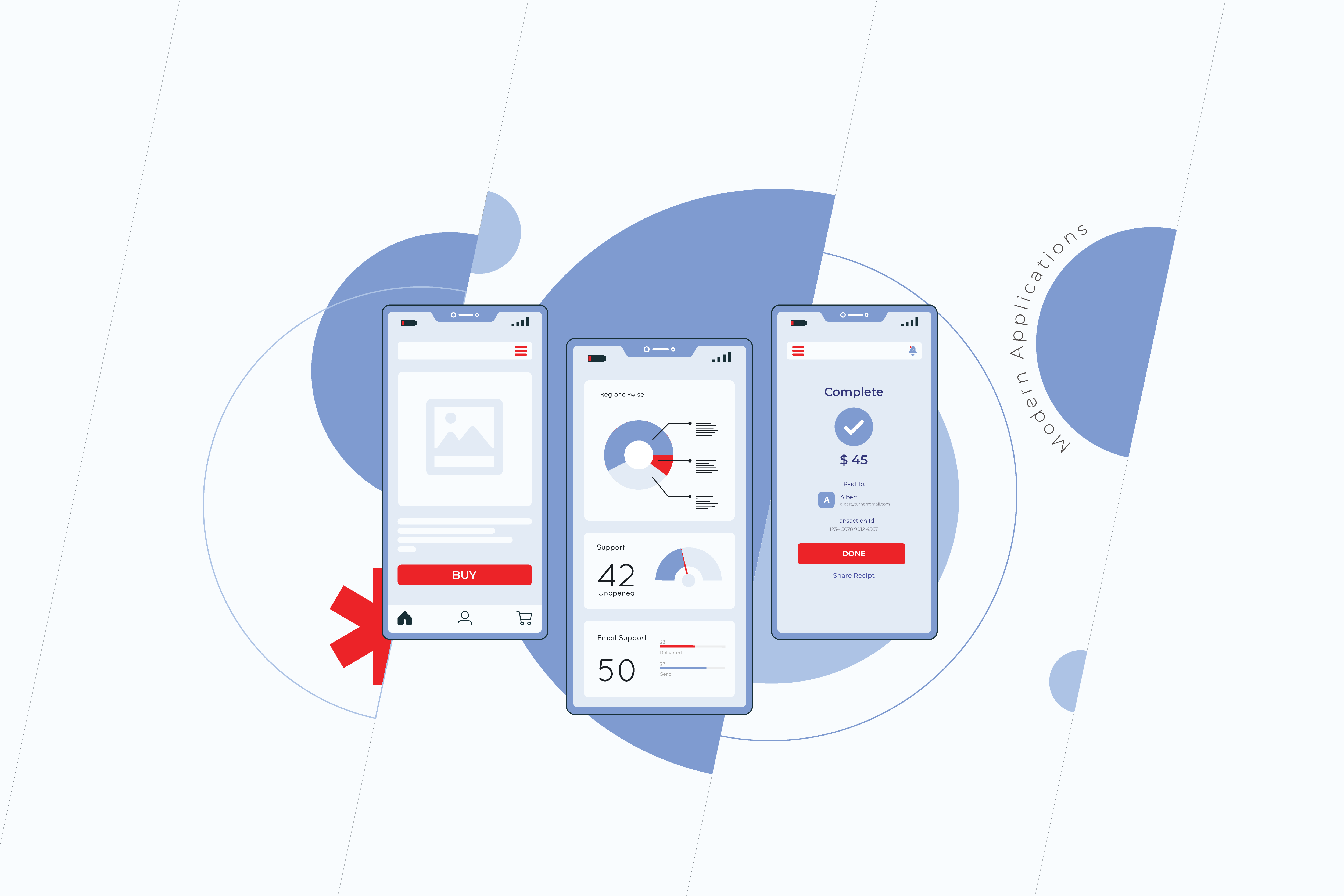
Why are modern applications the backbone of IT modernization?

application modernization

So, then, how can IT infrastructure modernization help your company, and why exactly are modern applications the backbone of IT modernization? Nowadays, it seems there’s an app for everything from checking your email to reviewing orders to making a purchase online. Chances are your business could benefit too. Modern applications can come in many shapes and sizes, from an app that lets your customers make purchases from you to back-end services that make your company more productive. There’s a solution to (almost) every issue. Whether you need help with business analysis, automation of paperwork processes, or something truly unique, IT modernization can help.  

How does IT modernization look in your industry?

Let’s take a look at some of the modern IT infrastructure modernization solutions being implanted in a number of spheres.  

Retail

From a handy app that lets your customers make purchases from the comfort of their homes to stock-taking in your warehouse to the latest try-on technology, retail has gone digital. Shopping is no longer just an in-store experience, and your employees are no longer just cashiers. 

The entire experience has gone digital, and your customers expect more. Whether this is about creating a unique online experience or upgrading your brick and mortar in-store experience to ensure it is safe and comfortable, IT modernization is one way to go about it.

Real-life example. See our case study on an OKR application for a retailer and learn how we modernized their objectives and fundamental results framework. 

Services

The services industry is growing across all business areas. One online video streaming platform reported growth of 2.2 million paid subscribers in Q3. A well-known online mega-store told of its $96.1 billion revenue for the same Q3 period. And these are not just digital unicorns. Growth of digital services rocketed during the pandemic, and that trend seems to be continuing. Even online education is benefiting, with a market value estimated at $350 billion by 2025. Many companies are stepping back to revaluate how their services can be adapted to the digital world or how IT modernization can improve their current operations.

Real-life example. Discover how we used IT modernization to boost online learning communication on Web, iOS, and Android platforms.

Logistics

logistics

In a post-COVID-19 world, logistics could not be more critical. Getting goods and services to where they need to be when they need to be is essential. Despite a downturn in air travel, the need to ship goods from one place to another hasn’t changed. The market remains global. So, how can a company stay relevant and plan for the future with logistics? Modern IT solutions help companies to safely, securely, and swiftly transport goods from one place to another. By monitoring the logistics process, businesses can optimize the supply chain and make improvements to overall efficiency. 

Real-life example. Explore our innovative solution for an air service provider to deliver automatic flight information that meets the highest safety standards.

Other

Above we told of some of the industries that we’ve worked with in IT modernization, but that doesn’t mean if your sphere isn’t listed that improvements are not needed. Upgrades in technology can be beneficial to almost every area. The only limitation is the desire to improve. 

Three top tips for successful IT modernization (no matter your business)

IT modernization might be a modern-day business essential, but that doesn’t mean diving in head-first is the best way to go about it. Here are the best tips for getting your IT modernization project off on the right track.

1. Have a plan

Like all areas of business, upgrading the IT stack requires planning. Failure to plan usually means planning to fail, so before you get going, it’s time to set out your IT modernization roadmap. This outlines the areas of your business you aim to improve and precisely how you want to improve them. Doing so allows you to reasonably plan out your IT improvement plan and its implementation. It also allows you to adjust your expectations – change won’t happen overnight – and think IT modernization long-term. 

Areas to consider:

  • What processes can be optimized?
  • Which areas of my business can be automated?
  • What are my competitors doing right now?
  • Which areas of my business could stand to be upgraded?
  • What resources and tools do I currently have available?
  • Is my team ready for change?

2. Don’t forget about legacy software

Chances are that your company currently has some tools, software or solutions that they are currently working with. Whether this is a project management tool, time tracker, or old application, what this means is that you have legacy software. Before starting your IT application modernization journey, it’s time to take account of what you already have and evaluate how you can upgrade or rebuild. 

For many companies, one of the key concerns is data and data protection. This means that when choosing to upgrade, you need to first consider how you can incorporate and take care of legacy software and data to ensure your new solution is up to the task and your IT remains secure. 

Areas to consider:

  • What software or tools do I currently have on hand?
  • How do these meet my current needs/expectations?
  • Do I deal with data and data protection?
  • Do I want to start from scratch or rebuild what I currently have?

3. Make IT modernization integral to your business

IT modernization

In no circumstance should IT modernization happen for modernization’s sake alone. Conversely, it should be an integral part of your overall business and help you move forward in your aims. The most successful solutions out there are not always the most glamorous. However, they solve vital business issues. 

For example, this can be optimizing data collection from form filling or tracking your products movement from A to B to improve the supply chain. Perhaps, you need a Big Data solution that tells you more about your customers to drive the business forward. However, no matter what it is, the solution you engage should be directly tailored to your company and its needs, no one else’s.

Areas to consider:

  • What direction is my business moving in?
  • What do I need to move forward?
  • Which solutions have industry competitors engaged, so far?
  • How can I get my team on board? 
  • What does IT modernization mean for the overall scope of my business? 

IT modernization round-up

Worldwide, more and more companies are choosing to upgrade their technology stack with modern solutions designed specifically to solve modern problems. Right now, the question is not if you should upgrade. It’s how and when. But, before taking the first steps into IT modernization, it’s vital to take a step back and evaluate the most effective way for your business to engage modern applications to get the maximum results.

Top 8 reasons why modernizing your applications should be a priority

Nowadays almost all businesses depend on applications in one form or another. Those who don’t will hardly survive the competition unfolding in the digital era.

However, simply running an application is not enough to actually succeed. The challenge that many companies are currently facing is that they use legacy applications, which were created for a different world and aren’t of much help for their users now. The flexibility of those apps is so negligible that they can’t integrate with systems of the digital age. And that’s, by the way, exactly what they are supposed to do.

So, ‘what’s the move?’, you may ask. Fortunately, an urgent need for smooth-running, high-performance internal processes can be covered with application modernization.

WHAT IS APPLICATION MODERNIZATION?

In a nutshell, application modernization is the transformation of a legacy app for its better alignment with an organization’s requirements. 

There are various options for applications to be modernized – from relatively simple rehosting to complete rebuilding.

Making up your mind on which approach to go with, as well as looking for a reliable vendor takes some time, but it’s definitely worth it. So if you’re still lacking the application modernization initiative and don’t understand why fix something that isn’t broken, check out the reasons we’ve zeroed in on.

WHY INVEST IN APPLICATION MODERNIZATION?

Cutting operational costs 

Operational costs optimization is perhaps one of the biggest drivers for modernizing business applications. Today more and more companies are adopting the Software as a Service (SaaS) model because it enables them to centrally host their apps for a subscription. Such an approach tends to be really tempting for many businesses since they get access to a plethora of new features as well as don’t have to carry the burden for keeping applications running 24/7.

Overcoming compatibility issues

Many applications still lean on archaic infrastructures, outdated programming code or operating systems – and sometimes on people who are no longer available to maintain them. Consequently, it requires a lot of resources to make these old-fashioned apps compatible with new technologies, modules, and tools. Another crucial detail that often slips our mind, is that time spares no one. Just like everything else, applications age on a permanent basis. Please, don’t deceive yourself into thinking that at some point your app can’t be “more legacy,” because it can and it surely will. And while applications are inexorably aging, the effort put into converting them to new and more efficient ones is – inevitably – going up along with the cost of that process. 

Meeting integration and scalability challenges

Legacy apps are often difficult to change and expand to greater capabilities because of the outdated technology stack or/and overcomplicated inner architecture. A minor update can lead to multiple conflicts across the system. If even one component of an app has load and performance problems, it may become necessary to scale up the entire app only to serve this single component. As long as such a process requires a lot of time and effort from an IT team, needless to say, that adding even the teeny-tiny feature to your app will end up in a huge waste of money. Therefore, your application needs to be capable of handling integrations in a manner that does not break your processes.

Contributing to your employees’ satisfaction.

A good employee is the one who’s satisfied with their job. There’s a bunch of things that contribute to employees’ satisfaction. However, dealing with legacy applications is merely one of them. People don’t want to stay with a business that insists on maintaining the status quo. Instead of working with user-unfriendly technology that doesn’t cover the latest UX/UI standards or device specifics, some employees are more likely to look for better opportunities within other companies. The others, meanwhile, will struggle to use outdated and clumsy applications efficiently, which can significantly slow down the operations.

Making your applications future-ready

Application modernization can become the first step for your company to adopt cloud technology. If you think that to take full advantage of the cloud,  it’s enough to simply lift-and-shift your applications there, think again.  Legacy applications can only function in the cloud to a certain extent, which eventually results in ever-growing performance problems rather than solutions for your business – problems that your IT team will have to solve instead of focusing on more important errands. Not only will it deprive you of the possibility to access greater functionality at a minimal cost but also fail to meet your employees’ expectations and make them feel frustrated. So before spending tons of money over nothing, it’s better to make your applications cloud-ready in advance and let your business leverage all the possibilities that the cloud environment entails.

Improving decision-making through innovation

Meeting the needs of today’s business is barely possible without using real-time data. Application modernization addresses this issue by installing analytics into the application so that employees can operate with the information or KPIs whenever they need it.

Increasing agility

Business success depends on how fast you can respond to the market challenges and how long it takes you to adopt new technologies. Modernization opens up a number of opportunities for the team to be more efficient. For example, they’ll have access to the system from anywhere, anytime. Furthermore, with a modernized system, you will be able to develop and launch new products quicker than ever before. Scaling and sustaining agility is not just crucial but the only possible way to gain customers’ loyalty and competitive advantage.

Unlocking hidden value

After having been modernized, no-longer-obsolete applications are able to perform adequately within the modern digital ecosystem. You’ll get new opportunities for unlocking value in data analysis and workflow through interactions with Artificial Intelligence (AI) and other groundbreaking tools. Whether to leverage them or not is up to you, but isn’t it heartwarming to have an ace up your sleeve?

MAKING ALL THE DIFFERENCE

Since cutting-edge technologies firmly settled in literally every pocket, we’ve had neither a chance nor an option to ignore them, because the moment we do, we’ll be replaced by our more advanced competitors. 

Running a business in a usual, ‘orthodox’, the way is far from a great choice. Business applications have to keep pace with the technology changes and easily embrace the latest and greatest features to help run the business in an effective manner. 

So why are you waiting?

Get in touch with our experts now to find out more about how modernization can drive your company success.

Why DevOps is Essential for Today’s Manufacturing Business

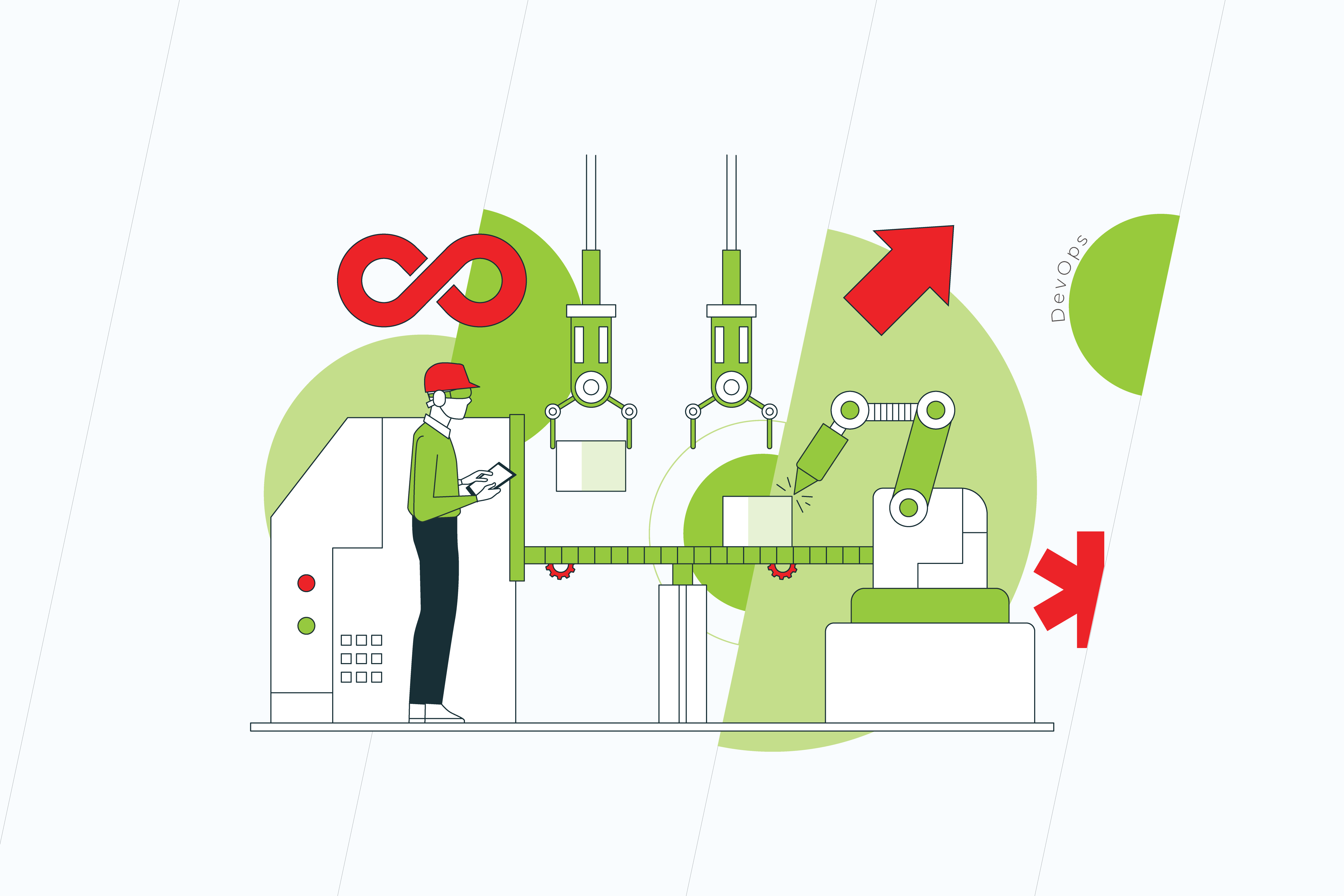
Manufacturing is no longer all about sweat and steel. Innovation is at the center of the drive into the future. Increasingly manufacturers across all spheres are onboarding new technologies at a never-before-seen pace. From automated robotics to Industry 4.0 to the Internet of Things (IoT). DevOps is the latest in the line of sought-after technologies. But far from being just another fad, instead, DevOps rapid development potential could spell the future for the manufacturing industry. 

For more on DevOps, check out this article.

How DevOps in manufacturing works?

DevOps is a continuous development process that involves a number of technologies to meet a specific organizational goal. Using an ongoing approach means that a system or methodology is continuously updated and improved. It focuses on rapid development to be able to react quickly to industry changes. And nowhere could this be more important than manufacturing. 

DevOps is increasingly being employed in the manufacturing industry to quickly solve the challenges that the industry faces. From the need to create a new product quickly to analyzing supply-chain efficiency to automating processes, DevOps presents a solution that is able to be rapidly deployed with astounding efficiency. It can help to:

  • Manage applications.
  • Create and implement new technology features.
  • Update existing hardware.
  • Streamline and automate internal processes.
  • Make business more efficient overall.

3 reasons you need DevOps in your manufacturing business

In 2020, the world was hit by the COVID-19 crisis, which caused a drastic downturn in manufacturing across the board, with estimates of the drop looking as low as –16%. Almost all sectors and countries were hit. This highlights a significant industry risk – the current inability to adapt to adverse circumstances. 

As we enter 2021 and businesses are starting to recover. One thing is clear – things need to change. DevOps could be the solution that the manufacturing industry is looking for, and these are the three reasons why. 

Optimizing and automating processes

Social distancing requirements altered the way manufacturing could be done. No long could production lines be packed with human employees, at least not safely. COVID-19 posed a considerable risk to human health and the provision of essential products. 

Manufacturers had to react quickly and adapt new solutions that were previously unplanned for. DevOps was one way of doing so. Its rapid and ongoing development structure allows for processes to be optimized and quickly. From creating an app to manage a production line to monitoring supply chain efficiency, speed is of the essence. 

But of course, this is not the only reason to automate. Looking towards long-term growth is also essential. DevOps empowers businesses to adapt and explore solutions at a much faster pace. It also allows them to alter elements that might not work and add features that do without starting from scratch. 

Innovating and staying ahead of the game

In business, it’s vital to stay one step ahead of your competitors, and that applies in manufacturing too. Every day new processes and technologies are being invented to make our lives more efficient. DevOps deliver businesses the potential to innovate with their sphere and uncover a better way to do what they do.

For example, a company manufacturing plane parts could be rapidly adapted to develop respiratory equipment (an essential during the coronavirus crisis) or something else entirely. In doing so, the business has allowed itself to stay relevant (and productive) even in times of crisis. It is this flexibility that is key in staying ahead of the competition. DevOps could provide the technology to adapt internal processes to deliver on new manufacturing potential. 

It will become the norm

Now, it’s no longer a question of if it’s a good idea to use DevOps. It’s how quickly you can do it. Knowing how to make even seemingly minor adjustments in your business could be the key to impacting overall growth. From simply aligning your purchasing process with your supply chain or even adapting the feedback of clients into workable solutions, DevOps empowers fast development speeds. 

This rapid cycle of development will soon become the norm across all industries – not just manufacturing. Buyer demand will dictate pace and direction. And those who fail to learn from the challenges of the past will soon fall behind. Companies who place their value on moving forward and take note of market changes will thrive. 

DevOps and the future of manufacturing

Amid every crisis is an opportunity. While the effects of COVID-19 are devastating, it has delivered an enormous wake-up call to the world. We need to change how we do things. This applies whether we are talking about a business adapting their production line with automation that allows social distancing or a pharmaceutical company that needs to produce a large amount of a vaccine or something else entirely. DevOps is one way to get things done and fast. Rapid and continuous development helps a business adjust to the new normal and thrive in it. But the trick? That’s being prepared before a crisis happens. Employing a DevOps-focused strategy in your business promotes innovation and flexibility that allow your company to strive for future growth.

The Impact of DevOps on Financial Services

JPMorgan, Capital One, and America Express. These are just some of the big names adopting DevOps as an essential tool in their technology kit. Recently, Development Operations, or DevOps for short, has been trending in the financial world. Known for its speed and to-market time, it appears to answer financial organizations’ prayers, ensuring their products meet their clients’ rapidly developing demands. But why choose DevOps for your finance organization? And how does DevOps in finance keep a company up to date?

What is DevOps?

DevOps is the unification of software development and its operations, with a little bit of QA thrown in to ensure quality. It involves a circular set of processes and practices to get a solution on the market faster than ever before. With the Agile Development methodology at its core, the typical project development cycle is an ongoing infinity look which priorities forward-thinking tech. Essentially, DevOps is an ongoing software development process that involves continuous integration, continuous deployment, and continuous delivery at its core. 

5 Ways DevOps is changing the financial world

It’s clear that a faster-to-market time allows financial organizations to quickly capitalize on market gaps and address their clients’ changing demands. As a result of the pandemic in 2020, it’s estimated that the global usage of digital financial services is up somewhere between 5% and 20%. With an urgent need to access clients, combined with a reduction in brick and mortar branches, it’s vital that financial organizations are able to get their digital products to the market as fast as possible. DevOps for finance provides a potential solution. 

Here’s the five reasons why DevOps is leading the way. 

Modernizing outdated systems

Digital banking is nothing new. In fact, according to one source, it dates way back to 1994. However, technology has come a long way since then. Aside from some significant advancements, there’s one other thing that’s built up too – legacy tech. This is the outdated code that some essential services still hang on. While your old tech might be too outdated to work efficiently, it’s not always possible just to throw it out and start afresh. It’s integral to your operations. This is where DevOps comes in handy. It allows you to continuously work to modernize your systems while not jeopardizing taking your business offline to do so. 

Alternatively, if you are starting from scratch, DevOps allows you to modernize as you build, adapting to the latest trends without the feeling that your just-released solution is already out-of-date. 

Improving security and compliance

In recent years, many within the financial world viewed DevOps as a security risk. Surely, such rapid development left companies vulnerable to compliance and security errors. However, by 2020, this has definitely all changed. Contrastingly to being vulnerable, DevOps aids fintech in staying current and implementing the latest security solutions. Frequent releases address the latest security threats and help stay current with changing compliance regulations. This can be anything from implementing automated document checking processes to securing client details against data hacks.  

Increasing transparency

Previously, financial software was developed in isolation following a relatively strict hierarchical process. Participants were working essentially in silos, concerned only with their own area of the task and nothing else, which was great for information security, but created challenges in effectiveness. That has all changed. DevOps in finance requires teams from across the board – QA, engineering, content, compliance, legal, etc. – to participate and work together to ensure the software solution is up to scratch. By drawing expertise from all areas, the solution becomes more robust and effective. Meanwhile, with greater transparency, processes can occur faster and lead to a more successful outcome. 

Automating anything that can be automated

Automation is a growing trend. And that doesn’t just concern DevOps for finance technology. By automating repetitive processes, companies are finding themselves more efficient and better able to serve their clients. In the world of finance, automation processes can be developed more swiftly than ever before, allowing your staff to concentrate on delivering customer service, not paperwork. For example, Capital One is automating quality checks in their services and proving that essentially, anything that can be automated will be automated.  
Altering the financial industry culture forever

But it’s not just technological processes that are changing due to DevOps. In fact, the entire financial landscape is noticing a change. Industry culture itself is shifting, from top-down hierarchical processes to flexibility akin to Agile development’s adaptable working methodology. So, what does this mean in practice? 

Although like any cultural shift, it will take time, the dynamics of traditional finance are being altered in a big way. Overall, the industry is becoming more adaptable and adjusting its staunch approach to finance and exclusivity to greater inclusivity and client-focus. Considering the growth of digital-only banks and greater accessibility overall, and despite brick-and-mortar closures, the industry is surely but slowly shifting.

As DevOps and similar Agile methodologies penetrate the strict world of finance, what we will see is a sure but substantial transformation to a more fitting financial system, adjusted to the needs of the modern world. 

DevOps, finance and the future: What’s next?

As the financial world dives deeper into the realm of technology, we are likely to see more extensive usage of DevOps services and a greater connection with customer needs. Client demand will dictate the direction of changes and how quickly they will need to happen for an organization to stay relevant. With the rapid changes that occurred in 2020 due to the pandemic, it’s no surprise that the world is gripped by the potential of shorter software development cycles and the potential they hold for getting solutions out there when and where they are needed.

How to leverage the Cloud for the financial industry

With technological progress and the pandemic’s impact, phenomenal levels of digitalization have been taking place in every industry before our eyes. The financial sector is no exception. Traditional, pre-lockdown patterns can no longer keep pace with customers’ fast-evolving needs.

Indeed, cloud adoption has become a real game-changer for financial organizations. It helps them ease their operations, function more efficiently, and delve into generation-defining technological capabilities such as blockchain, AI, etc.

After decades of on-premise data storage, financial institutions leaders have finally got ready to leverage numerous benefits of cloud computing. 

SECURITY

Security is a major concern for financial institutions, as the data they carry turns out to be the target for cyber criminals more often than in any other industries.

For most people, who are not that big of technology nerds, it’s difficult to accept that ‘somewhere out there’ there’s ‘something’ you can trust more than your inner systems. However, that’s true.

Within a traditional on-premise IT set up, the odds that your system will be brought down by a cyber attack are obnoxiously high. Meanwhile, cloud service providers take major responsibility for the protection of the data, applications, and infrastructures involved in cloud computing. Not only do your operations become more secure. It’s also your data that is backed up to multiple servers so there’s no chance that it’ll be gone forever because of a security breach or a natural disaster.

DATA STORAGE 

Financial institutions generate incredible amounts of data. Millions of clients’, investors’, vendors’ contacts, which have to be sorted out and stored within a CRM or other database. To be able to keep all this information, you should either ramp up the hardware (which doesn’t seem to be all that great of an idea) or host your database in the cloud. Cloud technology allows you to store as large an amount of data as you want and scale up and down according to your needs.

BIG DATA

Big data is a great opportunity but also a huge stumbling block for financial service firms. The thing is, it’s relentlessly growing.  Eventually, your on-premise systems won’t be able to handle the volume of data and keep up with the rapidly increasing analytics requirements. In such a case, it’s time for your big data to go to the cloud. The cloud can help process and analyze big data faster, leading to insights that can improve your products and business.

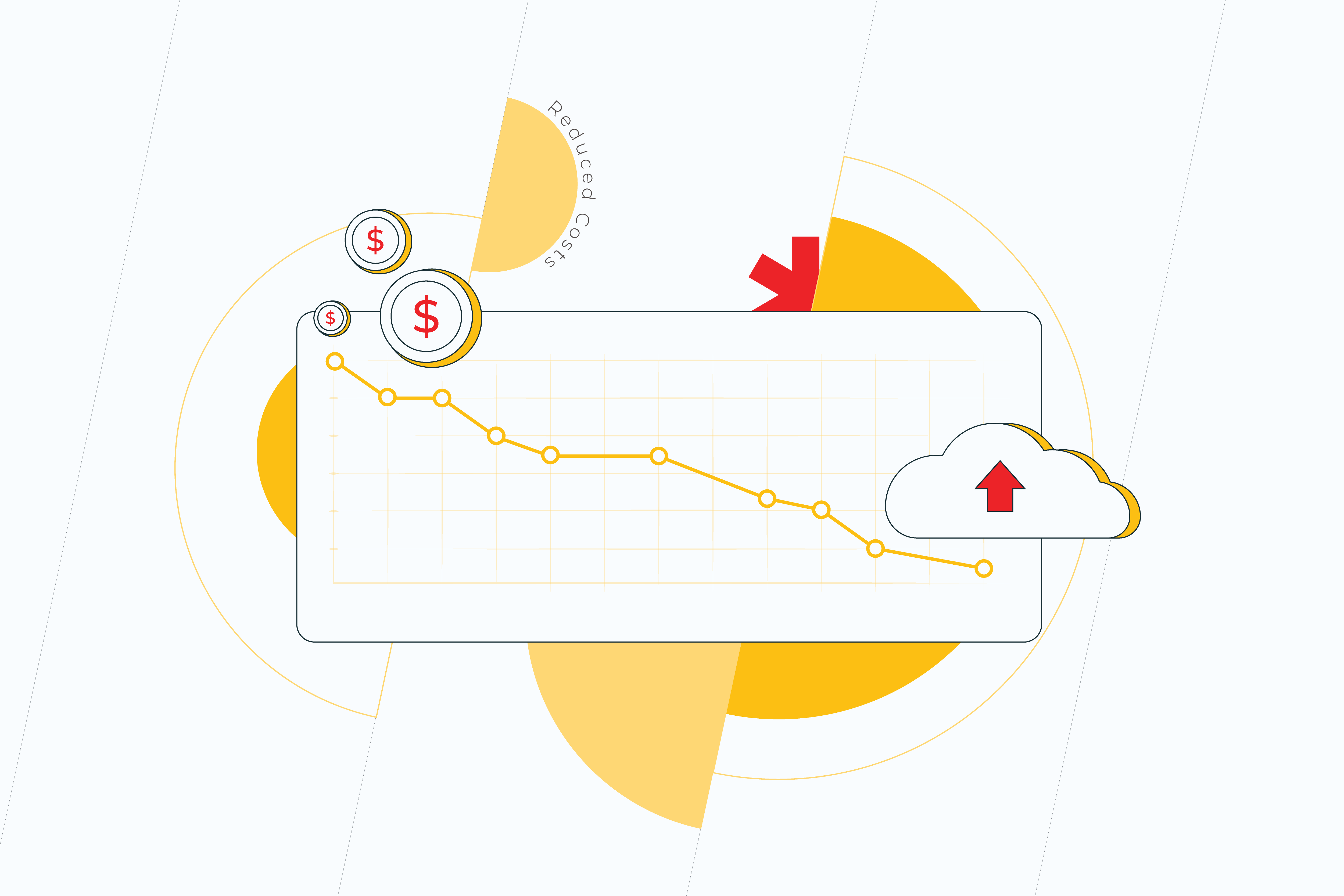
REDUCED COSTS

Having the infrastructure on site means investing heavily into it. Cloud technology allows to cut down on those investments by:

  • reducing maintenance costs. Expenditures, spent on running and managing your own servers, are often unanticipated. Whereas cloud service providers fulfil your needs for a fixed price. At the same time, cloud pricing is dynamic – it depends on an increase or decrease in required computer capacity and facilitates granular spending control.
  • saving energy. Your in-house servers might not be used optimally. As a result, energy consumption continues to increase. Cloud computing, on the contrary, is way more efficient in terms of utilization and consumes less power.
  • not dealing with IT issues. After moving to the cloud, you won’t have to worry about specialists to deliver your  IT needs. That’s what your cloud service provider will take care of. So you either don’t need to host your own IT team at all or you can redirect the existing one to work on other business areas.
  • eliminating redundancies. To keep things up and running single hardware is not enough. There has to be an alternative one you can rely on in case the system fails. Not only buying additional hardware adds to overall costs, but maintaining it on a regular basis is not cheap as well. Using cloud technology seems to be a better option since cloud service providers typically depend on multiple data centers and ensure resiliency by replicating your data.

REGULATORY COMPLIANCE

Meeting ever-changing regulatory requirements is a raw subject matter for financial institutions and, at the same time, critically important.

Regulations in the financial service industry are increasing. Banks are spending a lot of money and effort to make sure they’re compliant with the industry standards. New regulations require firms to collect, store, process, and report more detailed data across multiple sources. 

This is more easily done with flexible and accessible cloud data management.

Cloud vendors take very strict measures to guarantee that in financial services, compliances are not violated by either party. 

BETTER CUSTOMER EXPERIENCE

Consumers continue to expect much from their financial institutions. This is especially true when it comes to service. Many want a more personalized experience. 

To provide it, firms have to get and analyze feedback from the customers easily and without delay, convert this information into insights, and adjust their products based on customers’ reactions. 

Cloud computing makes the process of developing and launching new products easier and quicker, which is extremely important for the industry, notorious for being slow at meeting customers’ requirements.

Embracing cloud technology is the first step towards a fast-moving digital future of Big Data and AI solutions. Solutions that will help financial companies become more efficient and customer-centric than they have ever been able to imagine.

Moving to the Cloud: The Future of Manufacturing

“If you want something you’ve never had. You must be willing to do something you’ve never done.” What Thomas Jefferson said around 300 years ago seems to be perfectly applicable to any of today’s businesses. Do you want to prosper and take advantage over your competitors? Go right ahead, then! Get out of your comfort zone! Well, that’s easier said than done, Mr. Jefferson. 

There are industries that value their legacy (pun intended) more than others. Their comfort zone is limited to the decades of tradition. Manufacturing is one of these industries. Manufacturers still rely on people more than on the machines. However, the Covid-19 pandemic with its social distancing and remote work has revealed the importance of embracing machine-to-machine technology. Cloud computing turned out to be the best – and obvious- solution in facilitating agility and digitalization at factories.

As completely natural as your desire to leave everything the way it is may be, traditional systems are ill-equipped to meet the requirements of today’s market. So, if you’ve been waiting for a sign to make a shift in your mindset and technology, this is it. On-premise platforms cannot keep up, with the growing complexity of modern manufacturing, constantly shifting customer demands, fast access to business and operations data. That is to say, with everything cloud technology can provide. 

Delivering real-time data

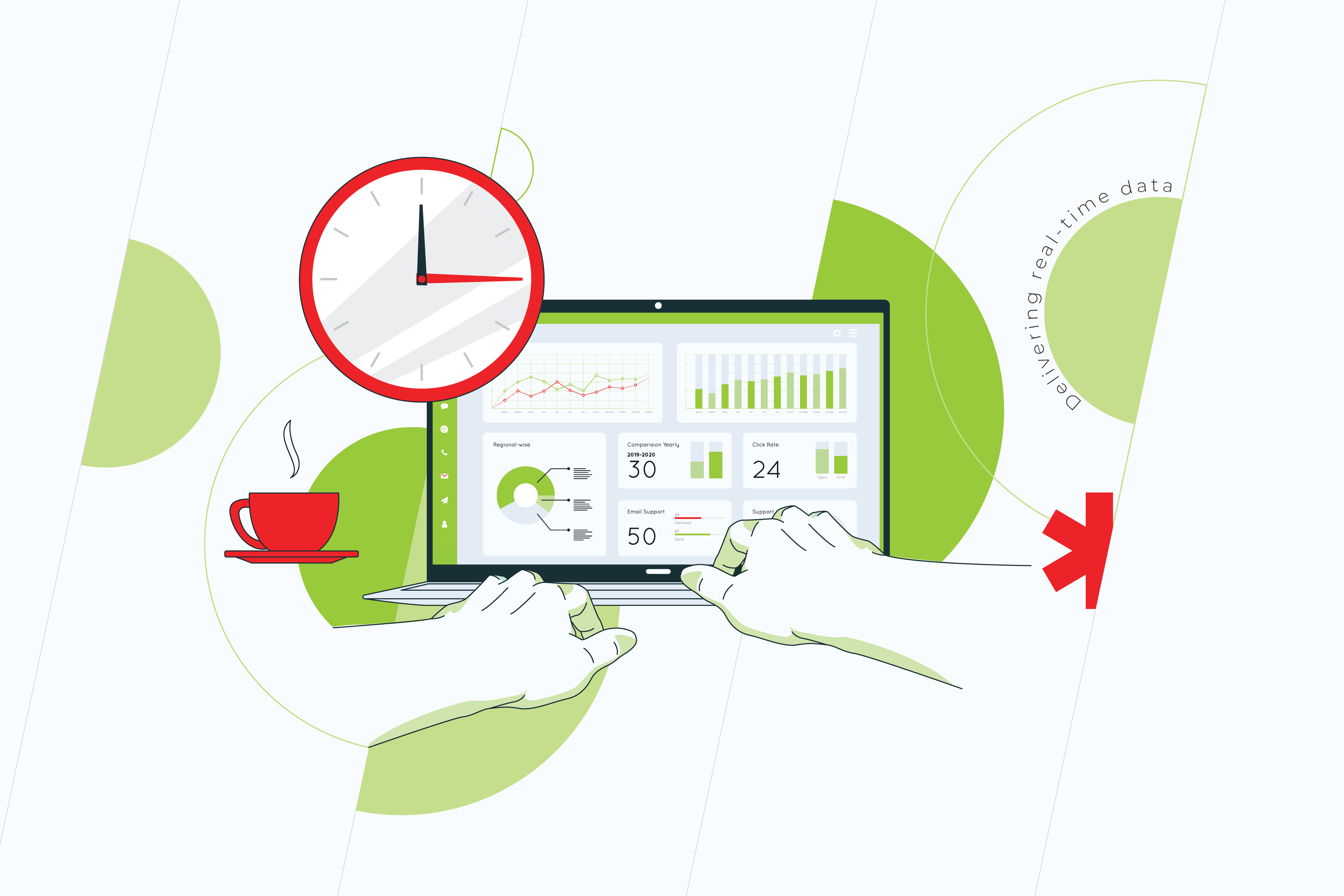
Managing processes and making decisions on the basis of last month’s performance will never be adequately effective. Meanwhile, a current and complete view of the information from across your organization will improve your decision making. For example, real-time visibility of machine output and performance can help to improve asset management and avoid downtime, and the visibility of stock helps to set relevant tasks that lead to optimal production rate.

Operating with a single and real-time source of truth, you’ll finally be able to keep pace with all the processes, avoid delayed syncing up of the needed data and catch the “manufacturing moment.” Speed and reliability in moving data, ensured by cloud providers, is key because manufacturers need to collect data from geographically scattered IoT (Internet of Things) devices so that it can be analyzed. 

This information gives insight into optimizing operations, which aims to help reduce costs and increase profit. 

Reducing costs on IT… and beyond that

A cloud-based infrastructure is definitely more agile than an on-premise one. Cloud technology allows you to scale up or down according to the needs of your business. In other words, you can use the resources you need right when you need them. In contrast to in-house IT solutions, with the cloud your IT spendings are predictable – you pay only for the space and functionality you use. Meanwhile, an in-house infrastructure – especially, a legacy one – may require significant infusions the moment when you least expect it. The necessity to upgrade your system will come up on a regular basis because its components become outdated not at the same time. Postponing these upgrades may seem like an option, but it isn’t really, as the malfunction of the system will affect your team’s efficiency in a negative way.

Aside from eliminating the expenditures on the on-premise software, cloud-based applications cut down on production and operation costs by making manufacturing cycles more efficient.

In addition, it’s cloud service providers who are responsible for managing the systems and preventing downtime. And this is a matter of vital importance for manufacturers, since system downtime costs output and, therefore, money. 

Security

Moving to the cloud and storing production data off-premises might not be an easy decision to make. Security will no longer be on you but on your cloud service provider. However, what if instead of being terrified of this idea, you ask yourself how fast you could recover your data and replicate your IT environment if a security breach or a natural disaster happened.

Most cloud providers invest massively to ensure their infrastructure is safe and resilient to any attacks in the first place. Yet, if something goes wrong, they can quickly detect flaws due to 24/7 network monitoring and ensure the disaster recovery will take as little time as possible to get your systems back to work. Moreover, storing your data in the cloud, you can be sure that it’s backed up and won’t be gone forever after a data breach, or equipment failure.

Improving the processes with cloud-based ERP

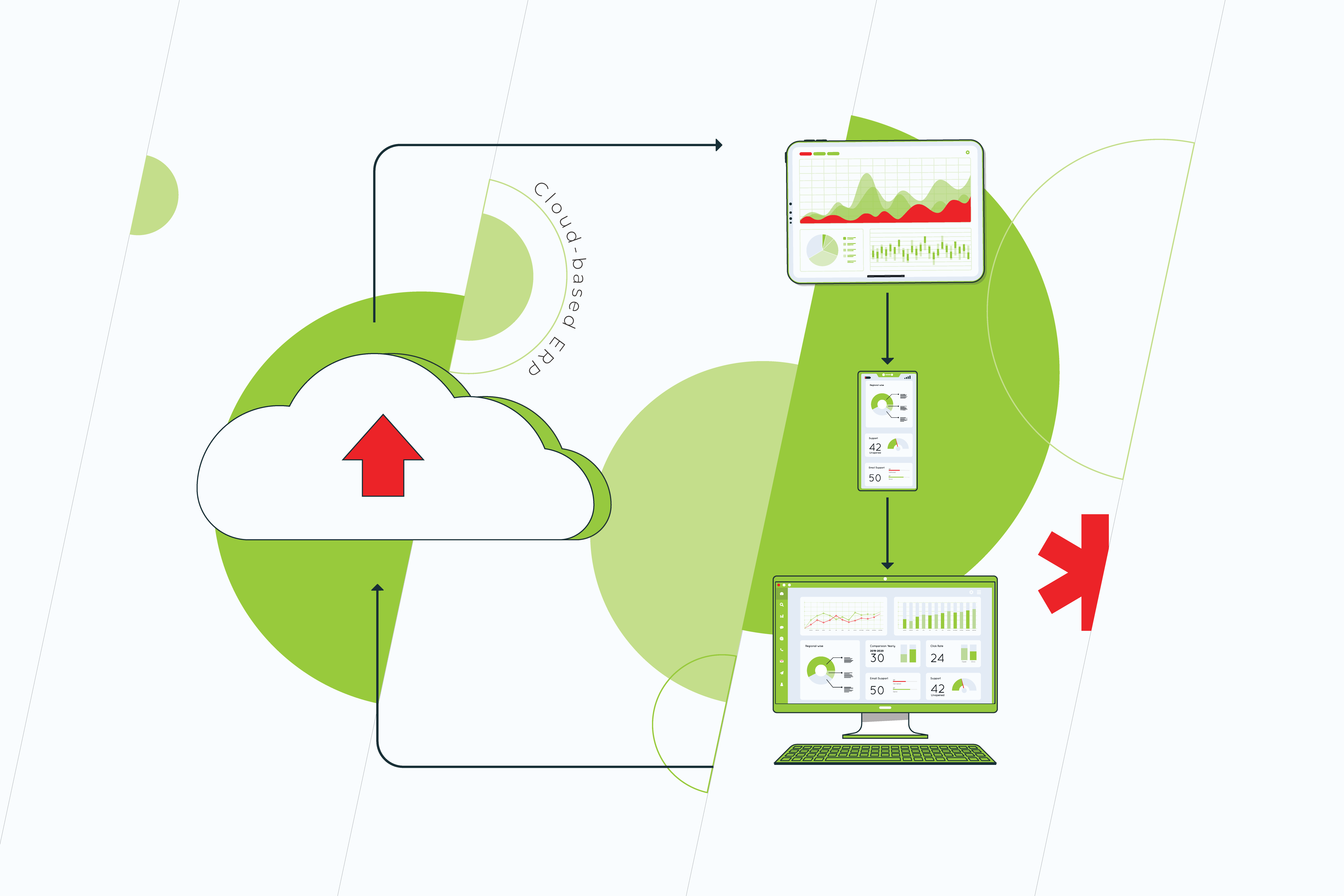
For sure, ERP (Enterprise Resource Planning) is an indispensable solution if you want to automate your organization’s workflow. Although an ERP system can be deployed and accessed either on-premises or in the cloud, the benefits of the former over the latter are noteworthy.

  • Dealing with on-premises ERP systems is more costly and time-consuming than with ones which are already set up on the cloud.
  • Cloud-based ERP software is updated automatically with the latest updates and security patches
  • When using a cloud ERP system, you don’t have to worry about integration with your other systems. It’s your service provider, who delivers consistent experience to users by making sure that the integration process is done well.
  • With an on-premises ERP system, employees will need extensive training and technical support, while with cloud-based solutions none of these will be relevant. Your service provider will take over the responsibility for managing and fixing technical aspects.

Optimizing the supply chain

For all the parties involved in the creation and sale of the product to work effectively toward the same goal, integration into a single system is a must. Today, when most supply chains are global, sharing data with all the stakeholders can become a real bottleneck. Fortunately, the lack of connectivity between separate organizations that make up a supply chain can be overcome by technology. With cloud-based software, employees are able to seamlessly exchange information throughout a product’s life cycle. Vital information doesn’t get lost as it moves between teams, departments, and job locations, since it’s centralized, integrated with different platforms, and can be easily accessed by all the stakeholders. 

It’s no exaggeration to say that moving to the cloud is the first step for creating the factory of the future. Because of cloud computing, other tools – such as Artificial Intelligence, automation – are becoming available for the manufacturing sector. Thus, no matter how tempting it might be to stay in your shell and resist the changes just ‘a little bit’ longer, please, keep in mind that the world has changed, and so should your business.

How to choose an e-commerce platform: 11 things to consider

The e-commerce industry has continued to grow year after year. Not taking this growth into account means lagging behind. As the coronavirus pandemic has clearly shown to most businesses, if you don’t compete online, you don’t compete at all.

However, trying to find the best solution to represent your company on the Internet is extremely challenging. Why? Well, first off, because there are a plethora of options on the market, which a newcomer can get swamped with. Secondly, there is no 100% perfect fit. Even if you found it, your business will evolve, and you’ll have to deal with the limitations you might not have initially considered.
To protect you from colossal budgeting mistakes, we’ve come up with a list of things to consider when selecting the right e-commerce platform for your business.

1. Ease of setup and use

As a manager or business owner, perhaps the last thing you want to deal with when launching your e-commerce company is ‘incomprehensible’ technological stuff. To avoid this, make sure the platform offers an easy setup flow, explaining everything you need to do before you launch, including loading in products, domain name registration, payment processing, etc.

2. Navigation

You don’t want potential customers to be mad at you, do you? But that’s exactly what they will feel if they have to navigate through your website for ages looking for the item they need and not being able to find it. Today’s customers expect a quick and seamless shopping experience. And, sure enough, they’ll find it: whether in your store or in somebody else’s. This is especially true for a B2B company website where efficient navigation becomes an integral part of B2B ecommerce web development. So if you have this bag/dress/shoes your customers are itching to spend money on, don’t let them jump off the hook because of the user-unfriendly navigation system. You need the possibility to add categories, tags, and attributes to help customers get what they want.

3. Design

Today’s customers got used to excellent User Interface and will never agree to anything less than perfect. Your site’s design is the face of your business. If it’s not eye-catching enough to click with your customers, don’t expect them to click and buy something from it.

Moreover, it’s important to find a theme or template that is properly customizable for immediate differentiation at launch and for long-term growth over time. 

4. Scalability & Customizability

Over time, your business (hopefully) will grow. However, an e-commerce platform that is hard to scale can significantly slow down this process. So choosing a rigid platform that relies on either local servers or poor infrastructure, and trying to customize your systems and requirements to fit this platform – while it should be the other way round – you let the lack of flexibility limit your success.

5. SEO-friendliness

For your site to rank high in search engine results, you need to find a platform that allows you to use your own domain name, get reviews from customers, and add a blog. That’s especially important for new stores or small shops: no one wants to (and barely anyone will) waste their time on looking for your business. Want customers to care about you? Show that you care about them first and make sure that your site is SEO-friendly.

6. Mobile-friendliness

The easier it is for the customer to interact with your store the higher the chances are that they’ll shop with you. Mobile commerce growth has seen an average year-on-year increase of 33.8% since 2016. In fact, three out of four consumers say they carry out purchases on their mobile devices because it saves time. However, there’s always room for improvement. As many as 90% of shoppers say that their experiences with mobile commerce could be better. Ignoring such an audience is not wise of a retailer.

7. Costs

E-commerce platform pricing models differ. Pay special attention to what is included at each price point to capitalize on the most value for your spend.

Find out what your monthly fees will be, whether they are fixed or dependent on traffic/sales, and whether it charges the percentage of your revenue.

You’d better make sure that you can support the cost of an e-commerce platform before you spend the money.

And, finally, if the price is higher than you’d like it to be, don’t rush to eliminate this option: maybe its cost is justified and it would be a good investment for your business.

8. Security

Don’t neglect the security measures. If you can’t protect customers’ proprietary information from cyber-attacks and a breach takes place, they will hardly shop at your store again. Having robust e-commerce security practices in place is crucial to building trust with your customers. Consumers need to know that they can trust your brand before they can shop with you.

9. Hosting options

There are two ways for e-commerce sites to be hosted: self-hosted or cloud-hosted. Self-hosted software requires online retail store developers to deal with installations, maintain, secure, and update their websites manually, which definitely provides you with a better understanding of data security and more control over the platform. However, besides the benefits, there are some drawbacks: self-hosting can turn out to be quite a costly and time-consuming process.

So if your business is not very complex, you may pay attention to cloud-hosted solutions which take on the responsibility of managing your store’s uptime and offer automatic installations.

10. Integration

Sometimes having a great variety of options can be a burden but not when it comes to integration with e-commerce platforms.

If you plan for your business to develop, you need to look for a platform which can integrate with your other systems, marketing channels, and also artificial intelligence and machine learning tools to understand consumer patterns of individual customers and use this data to deliver a personalized service.

11. Analytics

Look for an e-commerce platform that can help you monitor your store’s performance in terms of sales, payment methods, order amounts, etc. and display all this information in an understandable format of dashboards. With all the necessary statistics at hand, you can track what’s making waves and what’s dead in the water.


The bottom line is this: before spending a ton of time, money, and effort on a platform that may not suit you, do thorough research to gather as much relevant information as possible, which then will be considered in your decision and help you make the right one.

The top reasons why your e-commerce business needs automation

The e-commerce industry is booming! Partially, due to its convenience and dynamic offerings, and to some extent – because the pandemic has accelerated its growth. Anyway, online retailers are flooded with new orders they might find difficult to deal with. Processing these orders manually includes a lot of work and leaves plenty of room for errors.

But what if there was something that would allow people to spend far less time performing these tasks, and, yet, gain far better results? Too good to be true? Not really. That’s what e-commerce automation is used for in the first place.

E-commerce automation is a set of tools which helps to convert manual or repetitive tasks within your business to automations that are intelligently carried out exactly when needed. With automation, your fulfillment processes will begin as soon as someone places an order.

To make a long story short, it’s how businesses – especially those in B2B ecommerce – can do more in less time. Although saving time is probably among the major advantages of e-commerce automation, it’s definitely not the only one. There are plenty of improvements that automation entails in different aspects of an e-commerce business.

CUSTOMER SERVICE

Elimination of manual data entry

With e-commerce automation, which eradicates the need for manual data entry between your systems,  you won’t need teams who spend their entire day entering data. That’s the job the software could more efficiently handle. ‘Efficiently’ implies that it would be clearly faster and allow your employees to focus on more important tasks. 

Also, if the system is well adjusted, the odds of human error are eliminated. And this protects your business and reputation from the serious damage that can be caused by these errors. Sometimes one mistake – accidentally made and not fixed in time – is enough to lose a customer forever.

Order fulfillment optimization

As a rule, order fulfillment is a long, multi-step process, which can be significantly rationalized by e-commerce automation systems. For example, after an item purchase, the system automatically creates a picking ticket, which pickers can use to match the product SKU. And that kills two birds with one stone. You are cutting down on your order fulfillment costs and customers’ waiting time for their order preparation and shipping.

Keeping your promises to customers

It’s much easier to keep the promises you’ve made to the customer with proper automation. When the right data gets to the right places, you’ll be able to deliver the orders to your customers’ doorsteps on time.

Returns process automation

The thing that definitely improves your customer experience is seamless and easy returns. Customers need to know they can slip up their orders and not be punished by having to spend lots of time trying to get a refund.

Processing customers’ feedback

Staying on top of customers’ satisfaction is key for every business owner. That’s barely possible without minimizing the customers’ unhappiness by dealing with their bad reviews smartly. When the rating is low, the ticket can be automatically created, allowing you to consider the issue in no time.

MARKETING

Creating a highly personalized customer experience

Ironically, e-commerce automation systems can personalize your customers’ experience in a way that a human will hardly ever do. Reaching out to thousands (hundreds of thousands) of customers individually at the same time is impossible… unless this process is automated.  And when it is, the system addresses all of your messages to your customers using their names, and remembers important dates. In addition, it reminds them of the products they’ve left in their baskets and monitors what the customer is clicking on and what they are buying to understand their needs and recommend new products that match their interests.

Instant reporting and testing

Automatically generated reports, which are always at hand, help you see exactly where you’re going with your marketing strategy and refine your campaigns accordingly.

Integration of marketing efforts

Catching up with your customers is possible only if you expand your brand’s digital presence. Keeping in touch with them on platforms they check more often is one of the most credible ways to boost your revenue.

Perfect scheduling

Using a good e-commerce marketing automation solution, you can set up a whole season of marketing campaigns, like social media posts and seasonal PPC ads, to appear whenever you want them to.  For instance, when Christmas is coming, the ads of decorations or everything, considered to be a good present, can be launched. Scheduling sale changes in advance allows marketing teams to come up with better campaign plans, reduce errors, and avoid downtime.

Customized promotional offers

When a customer explores your site and buys a product, your automation system collects and analyzes that data and, based on this information, can build customized promotional offers. For example, the system can automatically trigger certain actions when a customer behaves in a certain way. If your customer buys a product, the system can automatically notify them about related products they may be interested in.

INVENTORY

Regarding large warehouse inventory, e-commerce automation is the best solution a retailer can desire. The stock no longer needs to be manually updated, so there’s no risk of selling items that are already sold out.  Automation software has each product’s unique SKU number to easily track inventory flow. If the product is out of stock, the system recognizes the sale and removes the item’s SKU from the list. 

Moreover, the customers who have shown interest in the products you’re low on can be notified and, thus, be encouraged to make a purchase. Alternatively,  if it’s too late, the customer can add the item to the waiting list and buy it when it restocks.

Marketing teams can also be notified when inventory is running low on specific products. In that case, they can pause promotion and optimize ad spend. And, vice versa, when new products are added to a store, marketing departments get all the product details and can start advertising.

No matter how pretentious sounding it may be, in such a competitive area as e-commerce is, automation is not just the ticket to success but a path to survival. A generation of born shoppers, who are used to getting everything they wish for in just one click won’t agree on anything less than perfect. Neither should you.


Follow us on LinkedIn to keep updated on the most recent company news, interesting case studies, and insights from our experts!

Cloud migration checklist

Are you ready for the cloud? But is your business?

Migration to cloud computing is not as simple as it may seem. The absence of a proper preparation stage opens up security holes in your infrastructure, or leads to unnecessary spendings and losing track of important data. However, a danger foreseen is half avoided: knowing what to expect and pay attention to, will keep you out of trouble on the way to cloud adoption.

Here’s the checklist of steps you need to follow to ensure this process will go smoothly.

  • Define strategic inputs

Cloud adoption is a huge leap to take. The best questions you can ask yourself before delving into the process are why you need it, what results to expect, and how to measure success. Clear motivations and defined business outcomes will help you set the metrics behind each question and figure out how to move forward realizing those metrics.

  • Choose the provider

There are plenty of cloud services on the market, but the trick is to choose the one which is right for you. Each provider has its own advantages and drawbacks. Some offer vast scalability, others – more personalized management options. It’s better not to go after popularity but focus on what makes sense for your business, like the provider’s database size or its actual costs.

  • Assess your system’s architecture 

Is it designed to scale flexibly, with separate components, or is it monolithic? Will it need refactoring prior to the migration? Refactoring presupposes restructuring and optimizing the existing code without altering its external behavior. It allows for solving technology problems and improving the component’s features and structure.

If the application is set to retire soon, the lift-and-shift approach (also known as rehosting) is going to work out best. But if the application is an investment for the business, take the extra time to optimize it.

  • Make a plan

Planning is crucial. The plan should reflect your migration process in a step-by-step manner. Even if you don’t stick to it in the long run (you may not need to), it’ll at least give you the initial direction to move towards.

  • Define what data should move onto the cloud and what to move first

Starting the cloud migration process with the easiest and less important applications is the most rational decision. If some unexpected problems pop up at an early stage – when the stakes are quite low – you’ll feel more confident in dealing with them.

Moreover, it’s high time to decide what exactly you need the cloud for. To build new powerful applications and solutions? Then you won’t need to migrate your  legacy business data over. And, vice versa , businesses that want to use the cloud for data storage must consider which bits of data should remain on-premise and which should be only in the cloud.

  • Re-evaluate security procedures and strategies

Migrating to cloud computing, you’ll have to put up with having less control over security and dealing with threats and breaches in a different way. So, to protect your data, you need to reassess your security procedures and strategies.

  • Compliance

If some or all of your company’s data undergoes particular regulations, you certainly need to make sure that you’ll maintain compliance as you move into the cloud. It’s still on your company to check if the vendor you choose can comply with the regulations you need to follow. Moreover, it doesn’t hurt to ask potential providers whether they can or cannot help you maintain compliance with a specific decree.

  •  The staff’s skills readiness

 Figure out how many people are assigned to perform the required tasks and how well their skills are aligned to cloud adoption efforts. If need be, schedule training sessions for future use and ongoing improvement.

  • Facilitate organizational communication and knowledge sharing 

Everyone needs to be in sync — application architects, developers, admins, and business leadership. Centralize runbook documentation and other relevant knowledge for the project in a wiki or other repository.

  • Start operating in the cloud

Moving to a cloud is just the beginning. What you need is to have plans for updating your code and measuring the performance.

  • Making things work

Any sort of IT migration is a complex and risky process. Taking all the steps from this checklist on your own doesn’t guarantee that you won’t stumble on some unforeseeable problems. Meanwhile, a lot of them don’t arise out of nowhere and can be predicted by experienced vendors. So if you think that you can do it cheaper all by yourself, think again, as in the long run you desire to save money may cost you a fortune.

Cloud migration is a perfect way to get fast and great-quality service for cheaper…on condition that you do it correctly. A dedicated and experienced team will definitely be of much help.

Anna Vasilevskaya
AI modified real photo
Anna Vasilevskaya
Account Executive

Get in touch

Drop us a line about your project at
[email protected] or via the contact
form below, and we will contact you soon.